How to Become a Personal Stylist in the UK: The Complete Guide to Building a Successful Styling Career

If you’ve been searching for how to become a personal stylist in the UK, chances are you’re ready for more than just an interest in fashion.
You want a career that’s creative, flexible, people-focused, and financially viable.
The reality? Personal styling is one of the most rewarding industries to move into, but it’s also one where the difference between “trying it” and building a profitable business comes down to one thing:
Proper training.
What Does a Personal Stylist Actually Do?
A personal stylist helps clients understand how to dress in a way that aligns with their body, lifestyle, and identity.
This typically includes:
Colour analysis (understanding which colours work best)
Body shape analysis (knowing how to dress proportionally)
Style personality (defining how someone wants to express themselves)
Wardrobe edits and outfit building
Personal shopping (in-store or online)
It’s part psychology, part strategy, and part creativity.

Why Personal Styling Is Growing in Demand
The demand for personal stylists has grown significantly in recent years, and for good reason.
Clients are moving away from:
Fast, trend-led fashion
Impulse buying
Overfilled wardrobes with “nothing to wear”
And towards:
Intentional shopping
Confidence in their appearance
Understanding what works for them
This shift creates a strong opportunity for trained stylists to offer high-value, transformational services.
The Skills You Need to Become a Personal Stylist
Natural style instinct helps, but it’s not enough on its own.
To work professionally, you need structured skills in three key areas:
1. Colour Analysis
Understanding undertone, depth, and clarity allows you to place clients into a seasonal palette and guide their colour choices with confidence.
Advanced training often includes the 16-season colour analysis method, which gives far more precision than basic systems.
2. Body Shape Analysis
This is where many stylists fall short.
Knowing how to dress different proportions, without relying on outdated “rules”, is what allows you to deliver real results for clients.
3. Style Analysis
Style is personal. It’s not about trends, it’s about identity.
Learning how to help clients define their style personality is what makes your service feel bespoke rather than generic.
Do You Need Qualifications to Become a Personal Stylist?
Technically, no you don’t need formal qualifications to call yourself a stylist.
But here’s the reality:
Without training, you will likely:
Lack confidence with clients
Struggle to justify your pricing
Deliver inconsistent results
Find it harder to build a reputation
Clients are investing in expertise. Training gives you the credibility and structure to deliver that.
Choosing the Right Personal Styling Course
Not all courses are equal, so it’s worth being selective.
Look for a programme that includes:
In-depth colour analysis (ideally 16-season training)
Body shape and style personality frameworks
In-person practical training (not just theory)
Real client practice
Business and pricing guidance
Ongoing support or mentoring
If a course skips the business side, it’s incomplete.
Why Training Just Outside London Can Be a Smart Choice
You don’t need to train in central London to build a London-based client base.
In fact, training just outside London often offers:
Smaller group sizes and more personalised teaching
Better hands-on experience
A more supportive learning environment
Easier access from surrounding areas like Berkshire and Surrey
You gain the skills without the distractions.

Building a Career as a Personal Stylist
Once trained, there are multiple ways to structure your business:
1:1 styling services
Colour analysis appointments
Wardrobe edits and personal shopping
Group workshops and events
Corporate wellbeing sessions
Online styling services
Many stylists also go on to create:
Memberships
Digital products
Training programmes
The earning potential grows as your expertise and positioning develop.
How Much Can a Personal Stylist Earn?
Pricing varies depending on your experience and positioning, but typical UK rates include:
Colour analysis: £150–£300+
Style analysis: £150–£300+
Wardrobe edits: £200–£400+
Personal shopping: £200–£500+
With the right training and positioning, styling can become a high-profit, low-overhead business.
Why the Right Training Changes Everything
This is the part many people underestimate.
Learning colour, body shape, and style analysis together gives you a complete system, rather than just isolated skills.
It means you can:
Deliver a full client transformation
Charge premium prices with confidence
Build a business that feels professional and cohesive
And importantly, it allows you to stand out in a growing market.
How to Become a Personal Stylist: Final Thoughts
Becoming a personal stylist is about more than just loving clothes.
It’s about understanding people and giving them the tools to show up in the world with confidence.
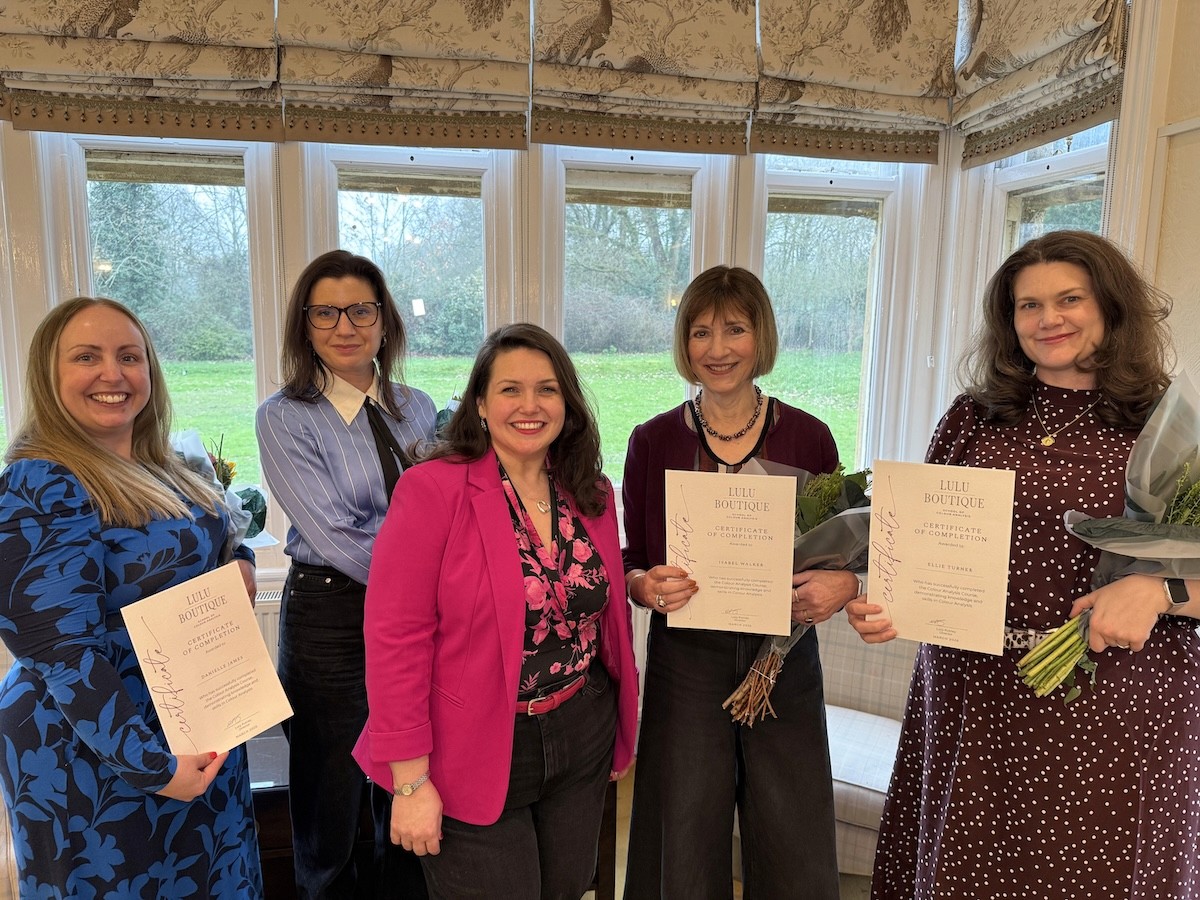
If you’re serious about turning this into a career, investing in high-quality, practical training is the step that moves you from interest to income.
Ready to Train as a Personal Stylist?
Build a career in styling with my expert-led training in colour analysis, body shape, and style analysis. This is the foundation for offering a complete, premium service to your future clients.
Taught in small, intimate groups, you'll get the hands-on support and personal attention to go from learning the skills to confidently working with real clients and building a business that fits around your life.
Spaces are limited. Explore training options and take the first step into your styling career today.
Personal Style