What Is Colour Analysis? Everything You Need to Know

If you’ve ever put on a jumper and thought, “Why do I look so tired today?” Only to change into another colour and suddenly look brighter, healthier and more awake - you’ve already experienced the power of colour.
Colour analysis is the process of discovering which colours naturally harmonise with your skin tone, eye colour and hair colour. When you wear colours that complement your natural colouring, your skin appears brighter, your eyes look clearer, and you often need less makeup because your complexion looks healthier.
It’s one of the most transformative styling services available, not because it changes who you are, but because it helps you work with what you already have.
As a professional colour analyst based in Wokingham, Berkshire, I’ve seen clients leave appointments bouncing with confidence, excited to go shopping and finally understanding why some clothes have always lived unworn at the back of their wardrobe.
In this guide, I’ll explain exactly what colour analysis is, how it works, why it matters and what you can expect if you book an appointment.
What Is Colour Analysis?
Colour analysis is a professional process that identifies the colours that naturally suit your unique colouring.
Rather than following fashion trends or choosing colours simply because you like them, colour analysis looks at how different shades interact with your skin.
The right colours can:
make your complexion appear healthier
brighten your eyes
reduce the appearance of dark circles
soften the appearance of fine lines
create a more balanced overall appearance
help your clothes work together more easily
The wrong colours can have the opposite effect, making skin appear dull, shadows more noticeable and features less defined.
The goal isn’t to limit your wardrobe, it’s to make getting dressed easier.
The History of Colour Analysis
Although colour analysis has become increasingly popular on social media, the concept has existed for decades. In fact, the original theory dates back to the Art world in the early 1900's.
Modern seasonal colour analysis began gaining popularity during the 1980s with the publication of Color Me Beautiful by Carole Jackson.
The original system divided people into four seasons:
Spring
Summer
Autumn
Winter
It was a brilliant starting point and introduced millions of people to the idea that certain colours naturally suited them better than others.
Over time, colour professionals recognised that four seasons didn’t provide enough nuance for everyone.
Today, many professional analysts, including me, use a more detailed 16-season colour analysis system, allowing much greater accuracy and more personalised recommendations.
How Does Colour Analysis Work?
At its heart, colour analysis is about colour theory.
Every person has a unique combination of three characteristics:
temperature (warm or cool)
value (light or deep)
chroma (bright or soft)
These characteristics determine which colours naturally complement your features.
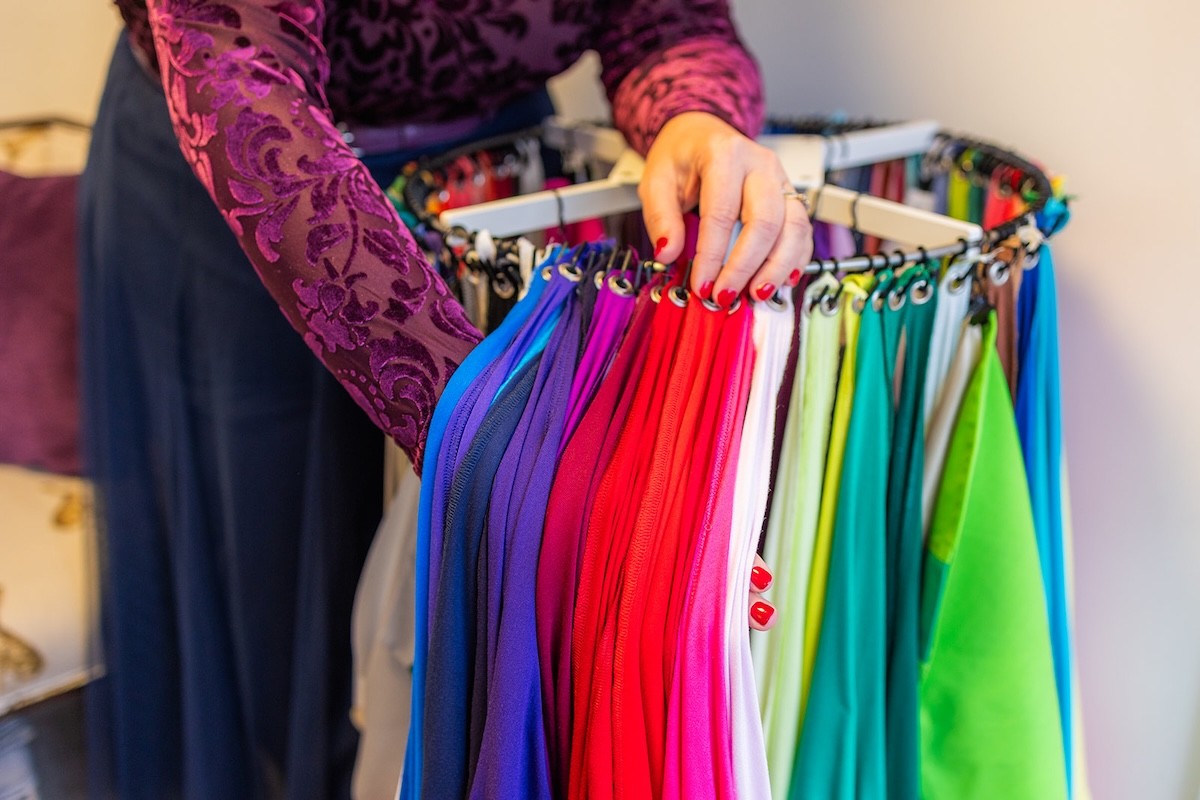
During a professional colour analysis, carefully selected coloured drapes are placed beneath your face in natural daylight. Rather than asking which colour you prefer, we’re looking at what happens to your skin.
The right colour supports you and makes your face the focus. It literally becomes the background to your self portrait.
The wrong colour makes the colour itself the focus; it steals the show and you become a figure in the background of your own portrait.
It really is that dramatic.
The Science Behind Warm and Cool Undertones
One of the biggest misconceptions is that colour analysis is simply about whether someone has yellow or pink skin.
It’s much more nuanced than that.
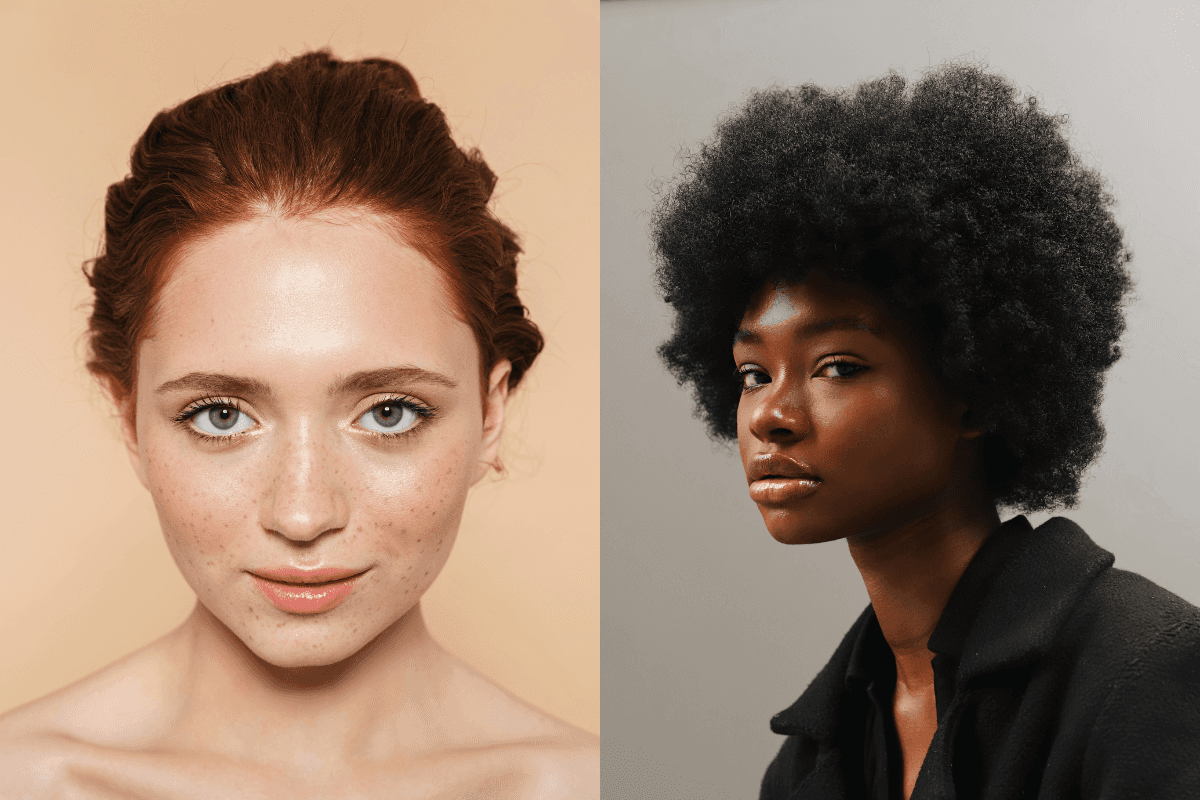
Your skin contains a complex mix of pigments beneath the surface, including pheomelanin and eumelanin. These interact with light in different ways, influencing whether your colouring reads as warmer or cooler overall.
A professional colour analysis assesses how fabrics reflect light onto your face. Certain colours enhance the natural appearance of your skin, while others can exaggerate shadows, redness or uneven pigmentation.
Because light reflection plays such an important role, assessments are carried out in natural daylight, without coloured lighting that could distort the results.
Why Skin, Eyes and Hair All Matter
Many people assume colour analysis is based only on skin tone.
In reality, it’s the relationship between your skin, eyes and hair that creates your overall colouring.
Someone with dark hair isn’t automatically a Winter.
Someone with blonde hair isn’t automatically a Spring.
Instead, we assess how all of your natural features work together, including your overall contrast and how different colours influence your appearance.
This holistic approach is one reason professional colour analysis is far more accurate than online quizzes.

Colour Analysis Isn’t About Your Favourite Colour
One question I’m often asked is:
“What if my favourite colour isn’t in my palette?”
Personal preference and personal colouring are two different things.
You may love mustard yellow, but if it makes your complexion appear tired, there are often similar shades within your own palette that give you the same feeling while working far better with your colouring.
Colour analysis isn’t about taking colours away, it’s about helping you wear them in the best possible way.
Four Seasons vs 16 Seasons
Traditional colour analysis groups people into four broad categories:
Spring
Summer
Autumn
Winter
While this works well for many people, it doesn’t capture the subtle differences within each season.
For example, not every Winter suits exactly the same colours.
A Bright Winter needs vibrant, high-contrast shades, whereas a Deep Winter looks strongest in richer, deeper colours.
The same is true across every season.
The 16-season system provides a much more personalised palette, making it easier to shop, coordinate outfits and choose makeup and hair colours with confidence.
This is why I use the 16-season system in every colour analysis appointment.
What Happens During a Colour Analysis Appointment?
Every appointment begins with getting to know you and understanding your goals.
During the analysis, we’ll:
assess your natural colouring
compare warm and cool drapes
evaluate brightness, softness, depth and contrast
identify your best season, sub-season and sister season
explain why certain colours work
recommend your best neutrals
discuss accent colours
look at makeup recommendations
explore how to build your wardrobe using your palette
By the end of your appointment, you’ll understand not just which colours suit you, but why.
The Benefits of Colour Analysis
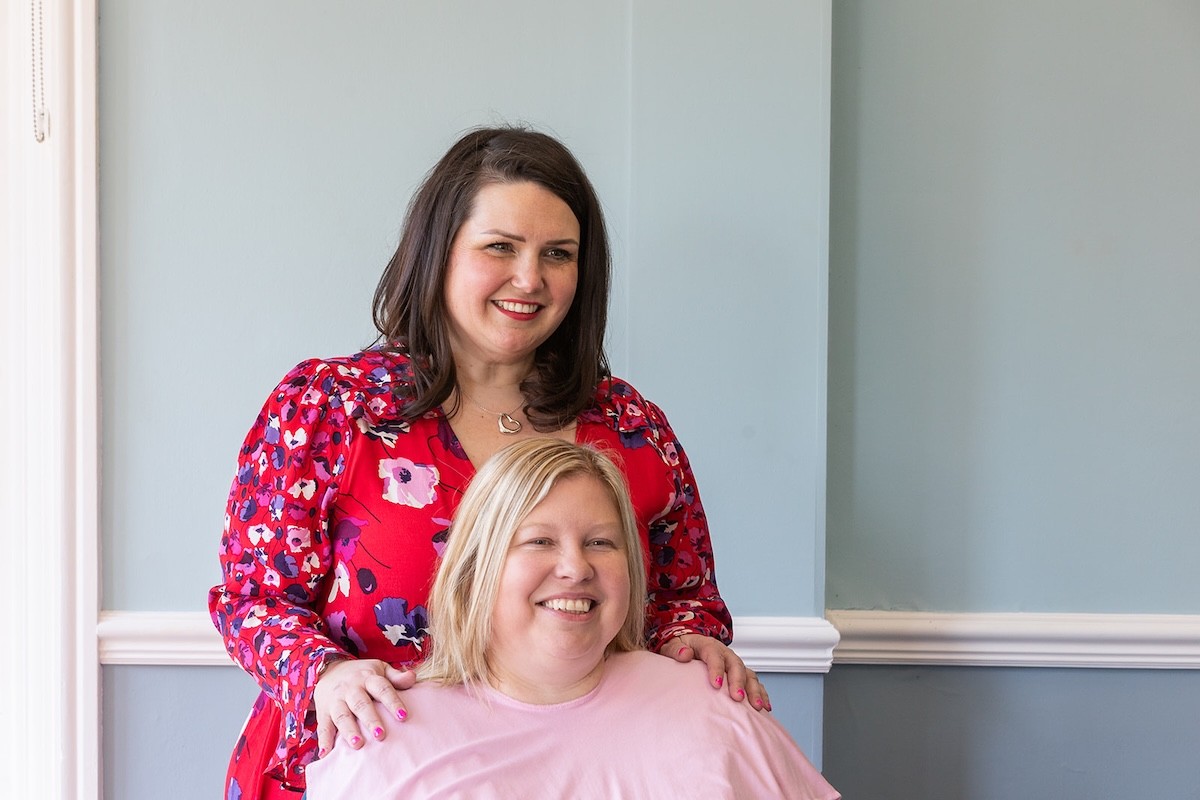
When I had my own Colour Analysis in 2021, the impact was huge. I had never seen myself look so good and it was simply about wearing the right colours - how easy is that to implement? No one is asking me to drink complex juices or hit the gym every day. I just needed to wear the right colours for me.
Clients often tell me the biggest benefit isn’t simply looking better.
It’s making everyday decisions easier.
After a colour analysis, many people find they:
shop with more confidence
waste less money on unworn clothes
create wardrobes where everything works together
feel more confident at work
pack more efficiently for holidays
choose makeup more easily
feel more like themselves
For many, it’s a one-time investment that influences their wardrobe for years.
Common Myths About Colour Analysis
“Colour analysis is just someone’s opinion.”
Professional colour analysis follows a structured assessment process using trained observation and professional draping techniques.
“I can’t wear black if I’m not a Winter.”
Most palettes include alternatives to true black, but that doesn’t mean you can never wear it.
Styling, fabric, makeup and accessories all play a role.
“My hair colour determines my season.”
Hair is only one part of the picture. Your overall colouring is what matters.
“Online quizzes are just as accurate.”
Online quizzes can be fun, but they can’t assess how fabrics interact with your complexion in natural light.
Frequently Asked Questions
Is colour analysis worth it?
For many people, yes. It can save money, simplify shopping and help you build a wardrobe that works together.
How long does a colour analysis appointment take?
My Signature Colour Analysis appointment lasts around 90 minutes, allowing plenty of time for assessment, explanation and personalised recommendations.
Can my colour season change?
Your natural colouring remains largely consistent throughout life, although hair colour, tanning and ageing can influence how you choose to wear your palette.
Do men have colour analysis too?
Absolutely. Colour analysis is just as valuable for men, whether for workwear, casual clothing or special occasions.
Can I wear colours outside my palette?
Of course. Your palette is a guide, not a rulebook. Understanding your best colours simply gives you more informed choices.
Why I Use the 16-Season Colour Analysis System
Every client is unique.
That’s why I’ve chosen to work with the 16-season system rather than limiting clients to just four broad categories.
It allows for greater precision, more personalised recommendations and a palette that truly reflects your individual colouring.
Combined with my background as an NHS nurse and professional image consultant, my approach is always educational as well as practical. I want every client to leave understanding not only their colours, but the reasoning behind them, so they can shop with confidence for years to come.
Ready to Discover Your Best Colours?
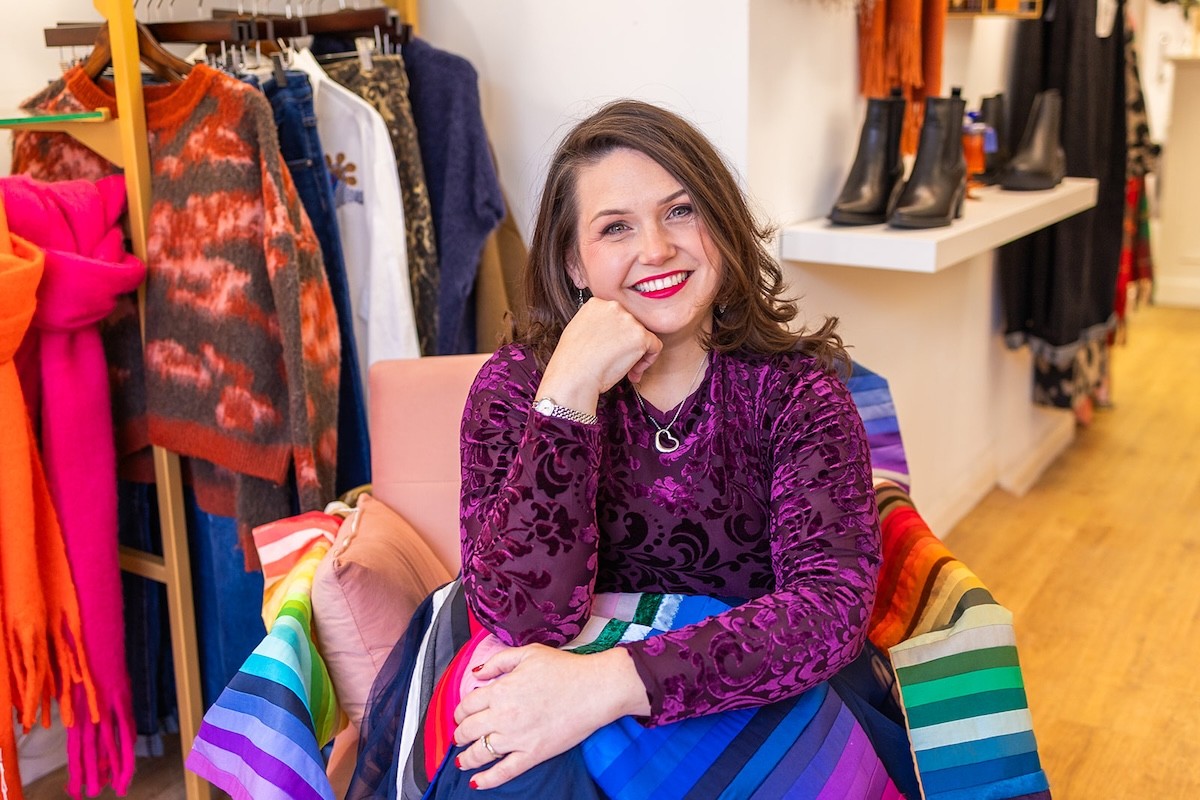
If you’re ready to stop second-guessing your wardrobe and start wearing colours that help you look and feel your best, I’d love to help.
From my studio in Wokingham, Berkshire, I offer professional 16-season colour analysis, personal styling, and colour analysis training in a relaxed, supportive environment.
Whether you’re refreshing your wardrobe, preparing for a new stage of life or simply curious about your best colours, a professional colour analysis can transform the way you shop and dress.
Book your Colour Analysis appointment today and discover the colours that bring out the very best in you.
Colour Analysis